Happy Easter Bunny: A Creative Font for Seasonal Branding
As a small business owner, I have learned that consistency is the quiet engine behind every recognizable brand. It is not just about having a logo; it is about ensuring that every touchpoint—from your product label to your Instagram story—speaks the same visual language. Recently, I started looking into Happy Easter Bunny, a Decorative typeface designed to bring warmth and personality to seasonal marketing materials. If you are an entrepreneur trying to balance professionalism with approachability, understanding how to use this font practically can make a significant difference in how your customers perceive your brand.
Understanding the Personality of Happy Easter Bunny
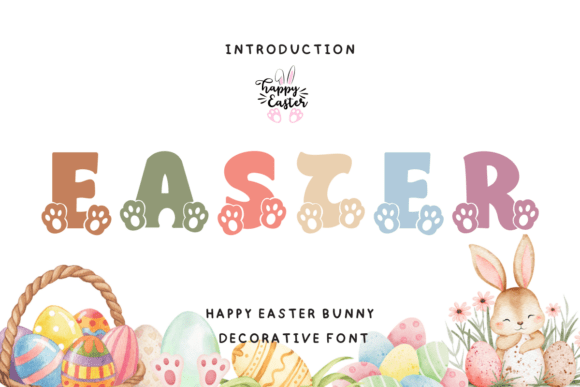
Before diving into applications, it helps to understand what this typeface actually communicates. The name suggests playfulness, but as a business owner, I look past the literal meaning to the underlying design cues. This font carries an engraved versatility in its strokes, which gives it a handcrafted feel without appearing messy or unprofessional. It sits comfortably in the realm of creative fonts that evoke joy, celebration, and nostalgia.
The visual appeal of Happy Easter Bunny lies in its attention to detail. It is not a rigid, corporate sans serif font, nor is it an overly ornate script that becomes difficult to read. Instead, it offers a balanced aesthetic that feels both modern and timeless. For boutique owners, handmade product sellers, and café owners, this mood is invaluable. It signals to the customer that your brand cares about aesthetics and effort, yet remains accessible and friendly. When used correctly, it transforms ordinary text into an experience, making your brand identity feel more human and less like a faceless corporation.
Practical Applications Across Business Touchpoints
The true value of a premium font is revealed when you apply it across various business materials. Here is how Happy Easter Bunny can elevate specific aspects of your brand:
- Packaging Design and Product Labels: For handmade candles, beauty products, or baked goods, packaging is your first physical interaction with a customer. Using this font on a sticker or tag adds a layer of perceived value. It suggests that the item inside was crafted with care. Imagine a jar of artisanal honey or a box of organic soaps featuring this cheerful typography; it instantly stands out on a shelf next to competitors using generic labels.
- Social Media Graphics: In the crowded feed of Instagram and Pinterest, decorative fonts act as visual hooks. Use Happy Easter Bunny for headlines in your promotional posts. Whether you are announcing an Easter sale, sharing a behind-the-scenes look at your workshop, or posting a customer testimonial, this font draws the eye. However, keep the body text simple to maintain readability.
- Thank-You Cards and Inserts: One of the most effective ways to build customer loyalty is through personal touches. Including a thank-you card in your mailers with a message set in this font creates a delightful unboxing experience. It reinforces the idea that you are a real person running a real business, which builds trust and encourages repeat purchases.
- Website Banners and Digital Ads: On your website, this font works beautifully for hero banners during seasonal campaigns. It breaks up the monotony of standard web design and injects energy into your landing pages. For digital ads, where attention spans are short, the unique shape of the letters can help your ad stand out in a sea of static images.
Strategic Usage: Headlines vs. Body Text
One of the most common mistakes I see small businesses make is overusing decorative fonts. While Happy Easter Bunny is charming, it is primarily suited as a display font. It excels at capturing attention in large sizes, such as in logos, main headings, or short slogans. Trying to write long paragraphs in this typeface will result in poor readability, especially on mobile screens where space is limited.
To maintain a professional and trustworthy appearance, pair this expressive typeface with a clean, readable font. A classic combination is to use Happy Easter Bunny for the headline and a neutral sans serif font for the supporting text. This contrast ensures that your message is not only visually appealing but also easy to digest. For example, if you own a coaching business, you might use this font for the title "Spring Renewal Workshop" while keeping the details (date, time, price) in a clear, modern sans serif. This approach balances creativity with clarity, ensuring your customers never struggle to find important information.
Ensuring Readability and Professionalism
Readability is critical for conversion. If a potential customer cannot quickly understand what you are offering, they will leave. When testing Happy Easter Bunny, consider the context. On small product labels, ensure the font size is large enough to be legible without squinting. On social media thumbnails, check how it looks against different background colors. High contrast between the text and the background is essential for accessibility and impact.
Furthermore, consistency builds recognition. If you decide to use this font for your Easter campaign, try to incorporate similar decorative elements in your other seasonal promotions. This creates a cohesive brand identity that customers begin to associate with your business. Over time, even without seeing your logo, customers might recognize your style simply by the way you present your text. This subtle form of branding is powerful because it operates on a subconscious level.
Font Pairing and Design Assets
Creating a harmonious design often requires mixing typefaces. Since Happy Easter Bunny has a distinct personality, it pairs well with minimalist designs. Avoid pairing it with other busy or highly stylized fonts, as this can create visual clutter. Instead, let it shine by giving it room to breathe. Simple geometric shapes or soft pastel backgrounds complement its playful nature without competing for attention.
When designing your assets, remember that less is often more. Use the font to highlight key words rather than entire sentences. This technique guides the reader’s eye and emphasizes the most important parts of your message. For instance, in a flyer for a local market stall, you might use the font for "Fresh & Local" while keeping the rest of the text in a straightforward serif or sans serif font. This strategic use of typography enhances the overall design quality and makes your materials look professionally curated.
Important Licensing Considerations
As an entrepreneur, protecting your business means respecting intellectual property rights. Before using Happy Easter Bunny on any commercial materials, you must verify the licensing terms. Most high-quality fonts come with specific licenses that dictate how they can be used. Some may allow usage for print materials like packaging and flyers but restrict use on merchandise or digital templates intended for resale.
Always check whether you need a standard license or an extended commercial license, especially if you plan to sell products featuring the font directly. Ignoring these details can lead to legal issues that harm your reputation and finances. By securing the proper permissions, you ensure that your branding efforts are sustainable and legally sound, allowing you to focus on growing your customer base with confidence.
Final Thoughts on Implementation
Incorporating Happy Easter Bunny into your business strategy is about more than just picking a pretty font. It is about leveraging design to communicate your brand’s values of warmth, creativity, and attention to detail. By using it strategically as a display element, pairing it with clean supporting fonts, and ensuring readability across all platforms, you can create a brand presence that resonates with your audience. Take the time to test the font in real-world scenarios, from printed labels to mobile screens, to ensure it aligns with your overall brand identity. With thoughtful application, this decorative typeface can become a valuable asset in your toolkit for building a memorable and trustworthy business.